

Tax Time Considerations for Shares, Crypto and Capital Gains
If you sold shares or sold, swapped or used cryptocurrency during the 2025–26 financial year, there may be tax consequences to consider. These transactions can result in a capital gain or loss, and working out the correct amount may involve more than simply looking at what you received when the investment was sold. Details such as what you originally paid, transaction costs and how long you held the investment can all be relevant at tax time.
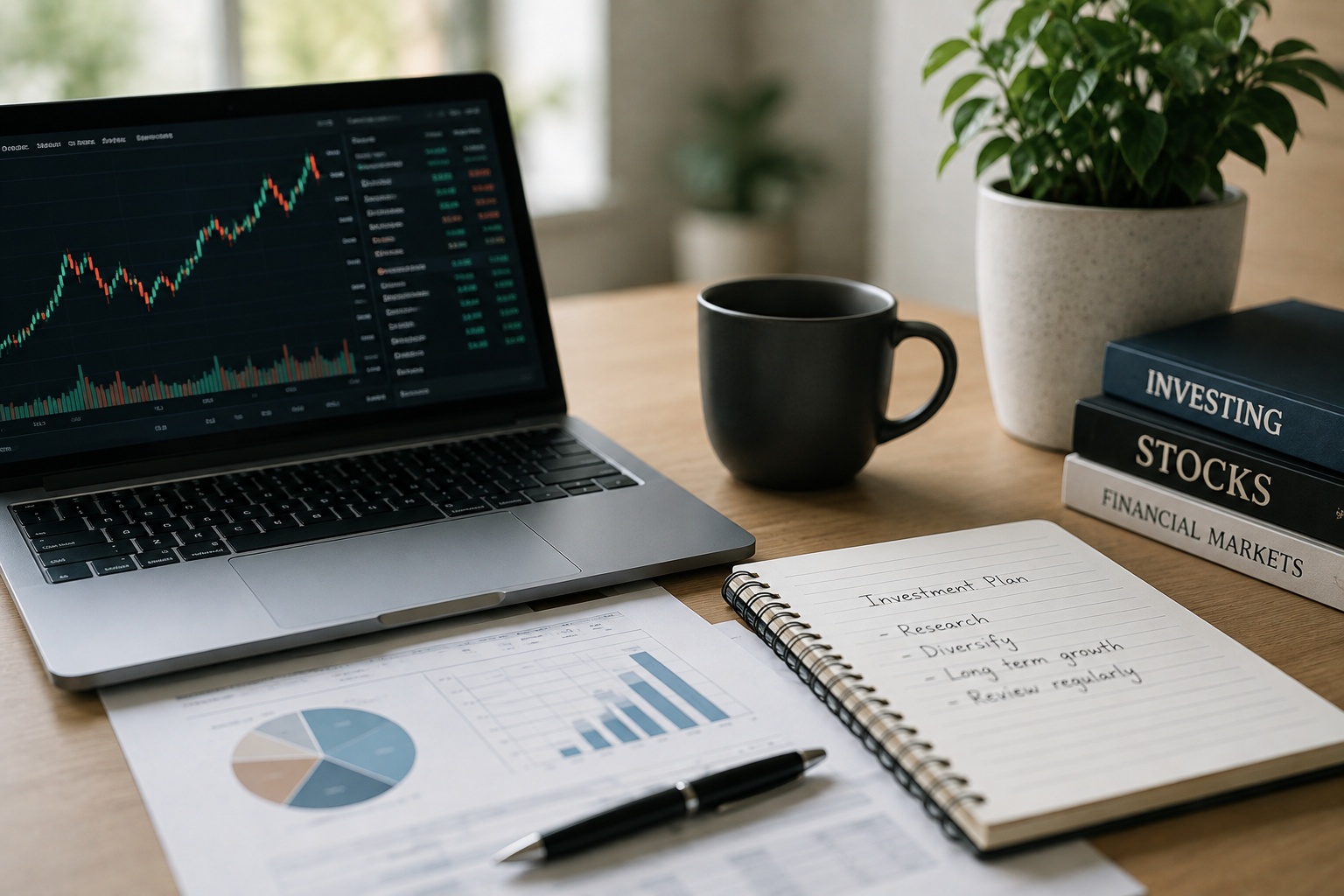
Selling Shares May Have Tax Consequences
If you sell shares for more than you paid for them, you may make a capital gain. If you sell them for less, you may make a capital loss.
To work this out, you generally need details such as:
- What you originally paid for the shares
- When you bought and sold them
- How much you received when they were sold
- Brokerage and other transaction costs
- Details of any relevant changes to the shares while you owned them
If you purchased the same shares at different times and prices, it can also be important to identify which shares were sold.
The ATO has further information on when capital gains tax applies to shares and units.
Crypto Can Be Taxable Too
Selling crypto is not the only transaction that may have tax consequences. Depending on the circumstances, tax may also need to be considered when you:
- Sell crypto for Australian dollars
- Swap one cryptocurrency for another, such as Bitcoin for Ethereum
- Use crypto to purchase goods or services
- Give or transfer crypto to someone else
For example, if you bought Bitcoin for $5,000 and later exchanged it for Ethereum when the Bitcoin was worth $8,000, the swap may result in a capital gain even though you did not receive any Australian dollars. When one crypto asset is exchanged for another, the value of the crypto received is generally worked out in Australian dollars at the time of the transaction.
Simply buying crypto with Australian dollars will generally not create a capital gain at that point, and moving crypto between wallets or exchanges that you own will generally not be a disposal where there is no change in ownership.
If you use several exchanges or wallets, keeping complete transaction histories can make it much easier to work out what happened during the year.
You can find more information in the ATO’s guidance on crypto asset investments.
How Long You Held the Investment May Matter
How long you owned your shares or crypto can make a difference to the amount of capital gain that is included in your tax return.
Under the current rules, eligible Australian resident individuals may generally qualify for a 50% CGT discount if the investment has been held for at least 12 months before it is sold or otherwise disposed of.
For example:
- Held for less than 12 months: the 50% CGT discount generally does not apply
- Held for 12 months or more: you may be eligible to reduce the capital gain by 50%
- Held for several years: the current discount generally remains 50%, rather than increasing the longer you hold the investment
The same 12-month rule can also apply to eligible crypto assets held as investments.
This makes the date you purchased the investment particularly important when preparing your tax return. The rules can vary depending on your circumstances and how the investment is held, so the discount does not automatically apply in every situation.
You can read more on the ATO’s CGT discount page.
Capital Losses Are Worth Keeping Track Of
Not every investment makes a profit.
If you make a capital loss, it can generally be used to reduce capital gains. If you do not have enough gains to use the loss in the current year, it may be available to use against capital gains in future years.
This means it is worth keeping records of investments that made a loss as well as those that made a profit.
The ATO explains this further in its guidance on using capital losses to reduce capital gains.
ATO Data Matching and Investment Information
As covered in our recent blog, ATO Data Matching: Why Good Records Matter, the ATO receives information from a range of third parties and compares it with what is reported in tax returns. This can include information relating to share and crypto transactions.
However, the information available to the ATO may not include everything needed to work out the correct capital gain or loss. Your original purchase price, transaction costs and capital losses from previous years may still need to be considered.
You can read more about the ATO’s data matching for investments and assets.
If you sold shares or sold, swapped or used crypto during the year, it is a good idea to gather your purchase and sale records, transaction costs and relevant crypto transaction histories before your tax return is prepared. It is also worth checking whether you have capital losses from previous years, as having this information ready can make the tax return process much smoother and help ensure your investment activity is reported correctly. If you are unsure what information you need or how your investment activity may affect your tax return, the team at MKG Partners can help you work through it.