Why Dual Cab Utes Aren’t Automatically FBT-Free
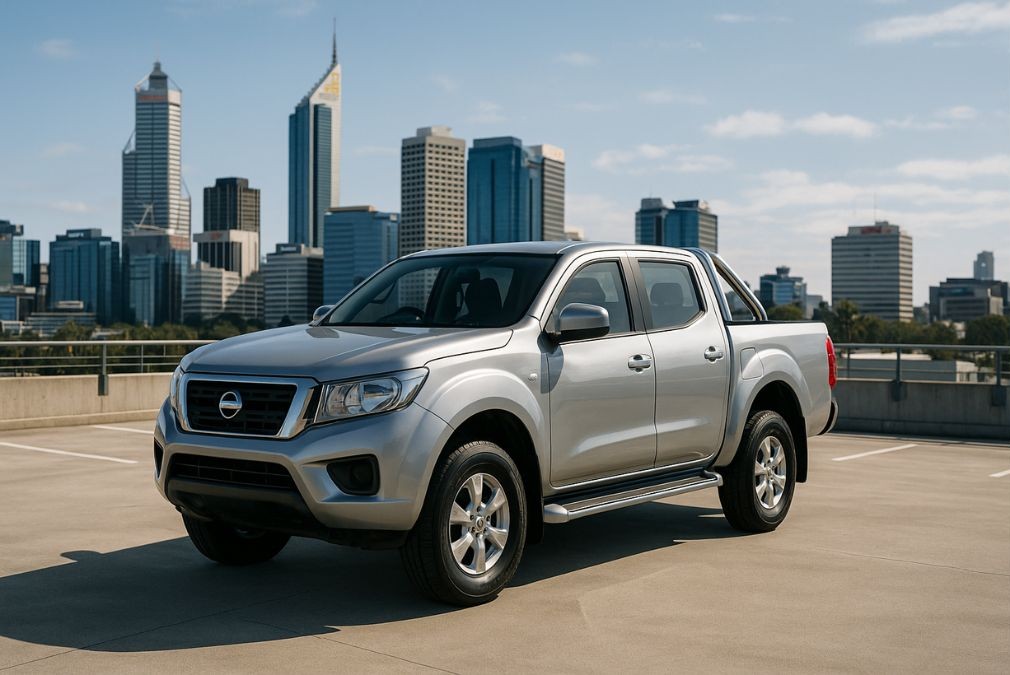
Dual cab utes are a common sight in many Australian businesses as they are practical, durable, and often serve both work and personal needs. However, when a work vehicle is also used as a family car, the tax implications can become complicated. The ATO continues to find confusion around when dual cab utes qualify for a Fringe Benefits Tax (FBT) exemption, reminding business owners that a ute is not automatically FBT-free simply because it is used for work. What matters most is how the vehicle is actually used on a daily basis.
When FBT Doesn’t Apply
Your work ute may be exempt if it meets two key conditions:
1. It’s an eligible vehicle, meaning it is:
-
-
designed to carry a load of one tonne or more, or
-
designed to carry more than eight passengers (including the driver), or
-
designed primarily for carrying goods rather than passengers.
-
2. Private use is limited, meaning it is only used for minor, infrequent and irregular personal trips. Examples include:
-
-
stopping at the shops on the way home,
-
taking rubbish to the tip, or
-
occasionally helping a friend move house.
-
If your employee’s personal use is restricted to these occasional activities, and you have records to support that, FBT may not apply.
When FBT Does Apply
FBT becomes an issue once private use goes beyond those limits.
For instance:
-
If the ute is used as the family car on weekends,
-
If it’s regularly driven to take children to school, or
-
If it’s used for camping trips or other recreational travel,
then the private use is no longer “minor or infrequent.” In these situations, the vehicle benefit is likely to attract FBT.
Employers should also note the ATO’s safe harbour guidelines for determining limited private use. Under these guidelines, FBT exemption can still apply where:
-
the private travel (other than home-to-work) is no more than 1,000 km per FBT year,
-
no single private return trip exceeds 200 km, and
-
any diversions between home and work are no more than 2 km.
Keep Your Records in Order
Even if you believe the ute’s private use is limited, you still need proper documentation to support the exemption. This can include employee declarations confirming limited personal use, written policies restricting non-work use, and vehicle usage records or odometer readings. Maintaining these records demonstrates that the vehicle qualifies for exemption if reviewed by the ATO.
If you’re unsure about what records to keep, our earlier article on Car Fringe Benefits and Logbooks: How to Save on Tax and Stay Compliant explains what the ATO looks for and how proper logbook practices can reduce your FBT exposure.
A Quick Callback
We first covered this myth back in 2023, when the ATO began reminding employers that “there’s no magic in a ute.” Two years later, it’s still one of the most common areas where business owners slip up, especially when vehicles are used by directors, family members, or staff for mixed purposes.
If you provide work vehicles to employees, directors, or associates, now is a good time to review how those vehicles are being used ahead of the next FBT season. MKG Partners can help you assess your position, make sure your record-keeping meets ATO standards, and guide you through the correct reporting process if FBT applies.